History and Gallery
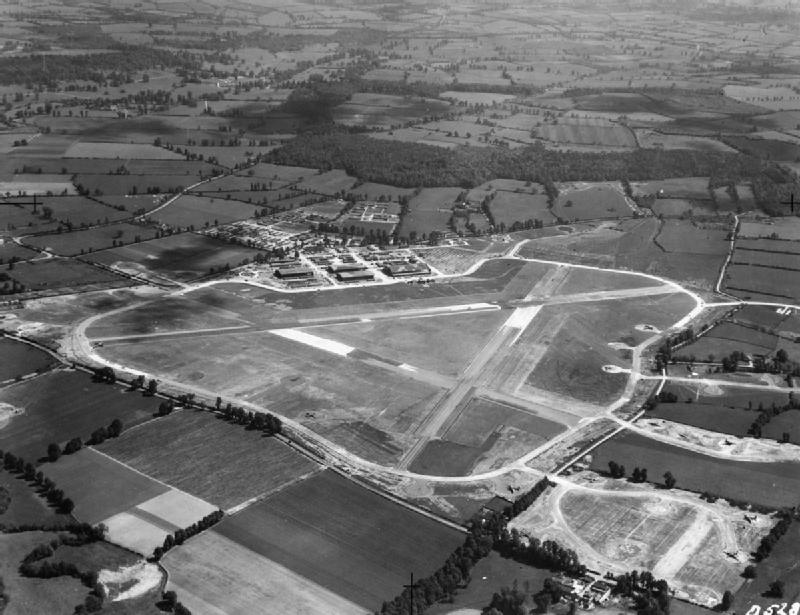
Established in 1941, Wellesbourne Airfield, located six miles east of Stratford-upon-Avon, was originally farmland purchased by the government. The site was rapidly developed into RAF Wellesbourne Mountford, serving as a training base for No. 22 Operational Training Unit (OTU). Equipped with Vickers Wellington bombers and Avro Anson trainers, the unit trained over 9,000 airmen during World War II, including pilots, navigators, and gunners.
The airfield faced multiple attacks during the war, with several bombings in 1941 causing damage to aircraft and infrastructure. Despite these challenges, Wellesbourne continued its training operations, contributing to significant bombing raids over Germany, including Cologne and Bremen. Tragically, 96 Wellingtons were lost in operational and training accidents, resulting in 315 fatalities among the crew members.
After the war, the airfield underwent various transitions. In July 1945, No. 3 Glider Training School moved in to train glider pilots for the Far East, operating until 1947. Subsequently, the site hosted several training schools, including the School of Photography (1948–1964) and the School of Education (1950–1952). The airfield was closed in 1964 and returned to its original owners in 1965.
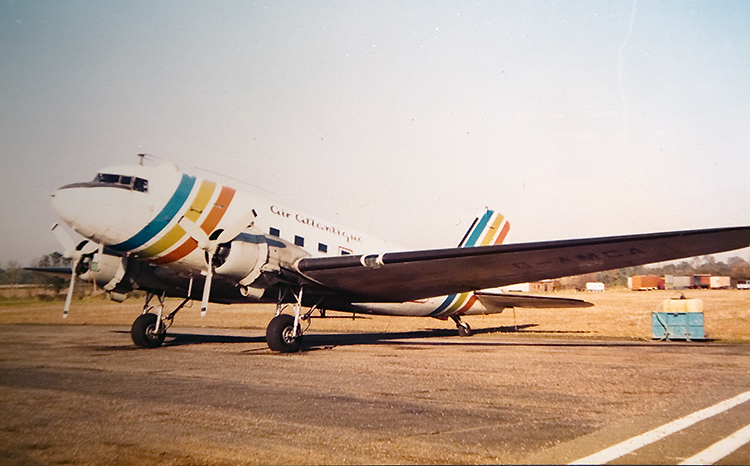
In the years that followed, Wellesbourne Airfield evolved into a civilian aviation hub. It became a base for vehicle testing, a temporary station for Air Atlantique’s DC-3s, and a center for microlighting. In 1981, it was licensed by the Civil Aviation Authority for commercial activity, leading to the establishment of flying clubs offering training and aircraft hire.
A notable addition to the airfield’s history is the arrival of Avro Vulcan XM655 in February 1984. Now preserved in taxiable condition, XM655 is maintained by the 655 Maintenance and Preservation Society and offers public taxi runs.
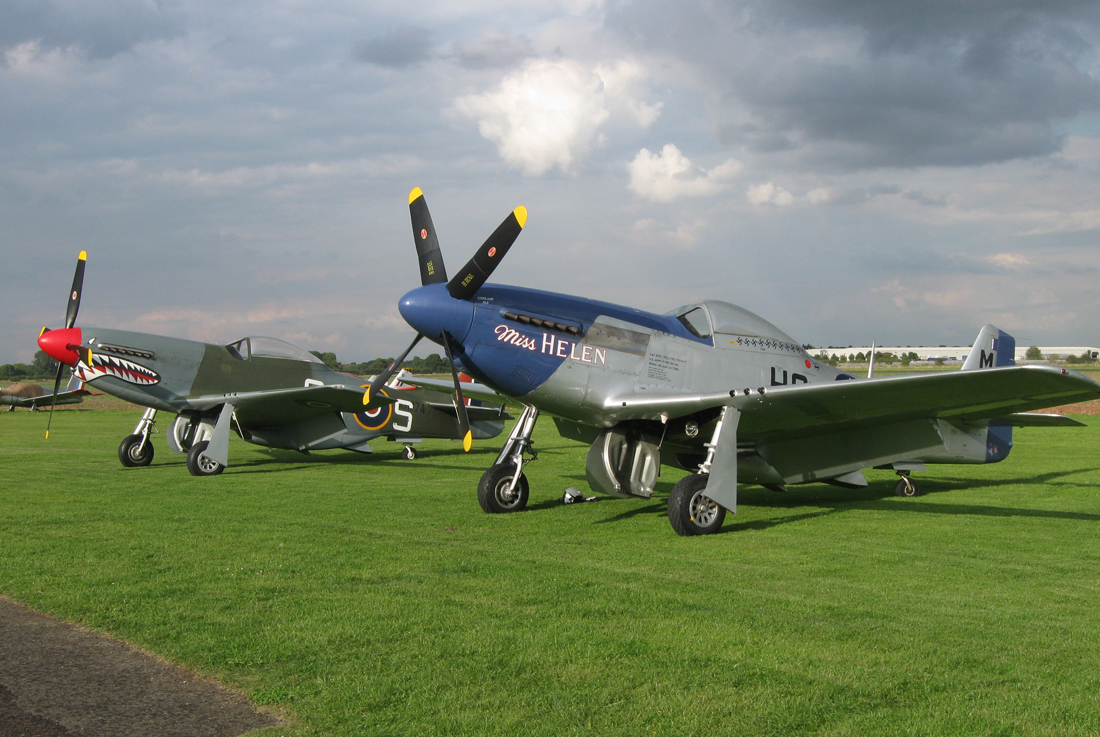
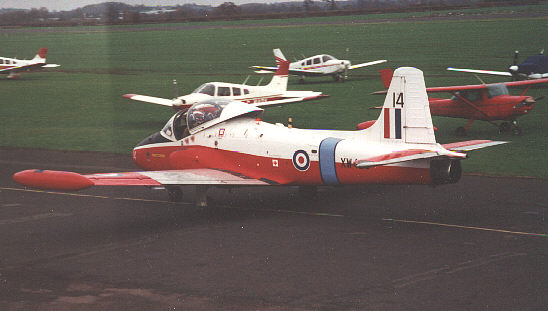
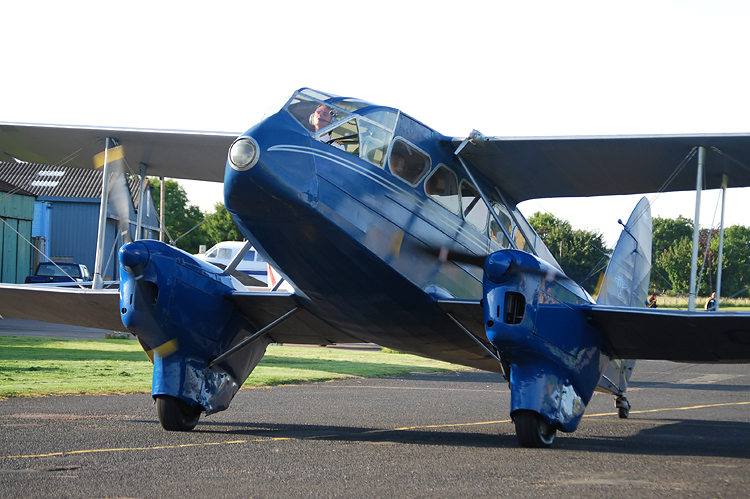
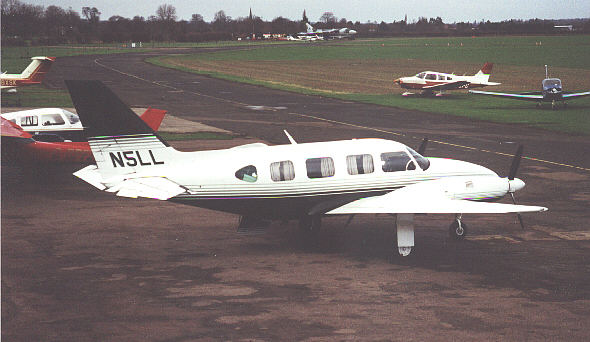
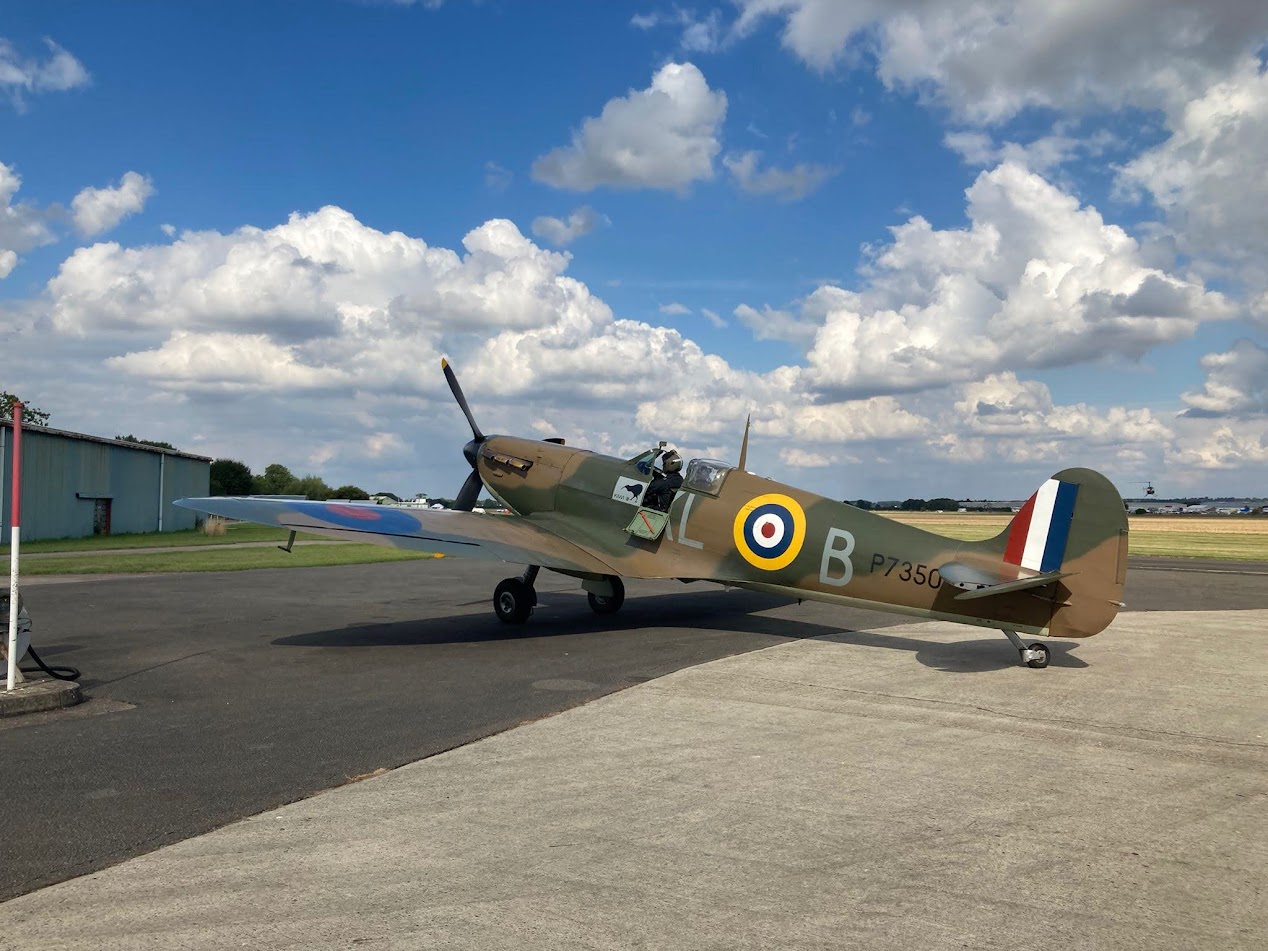
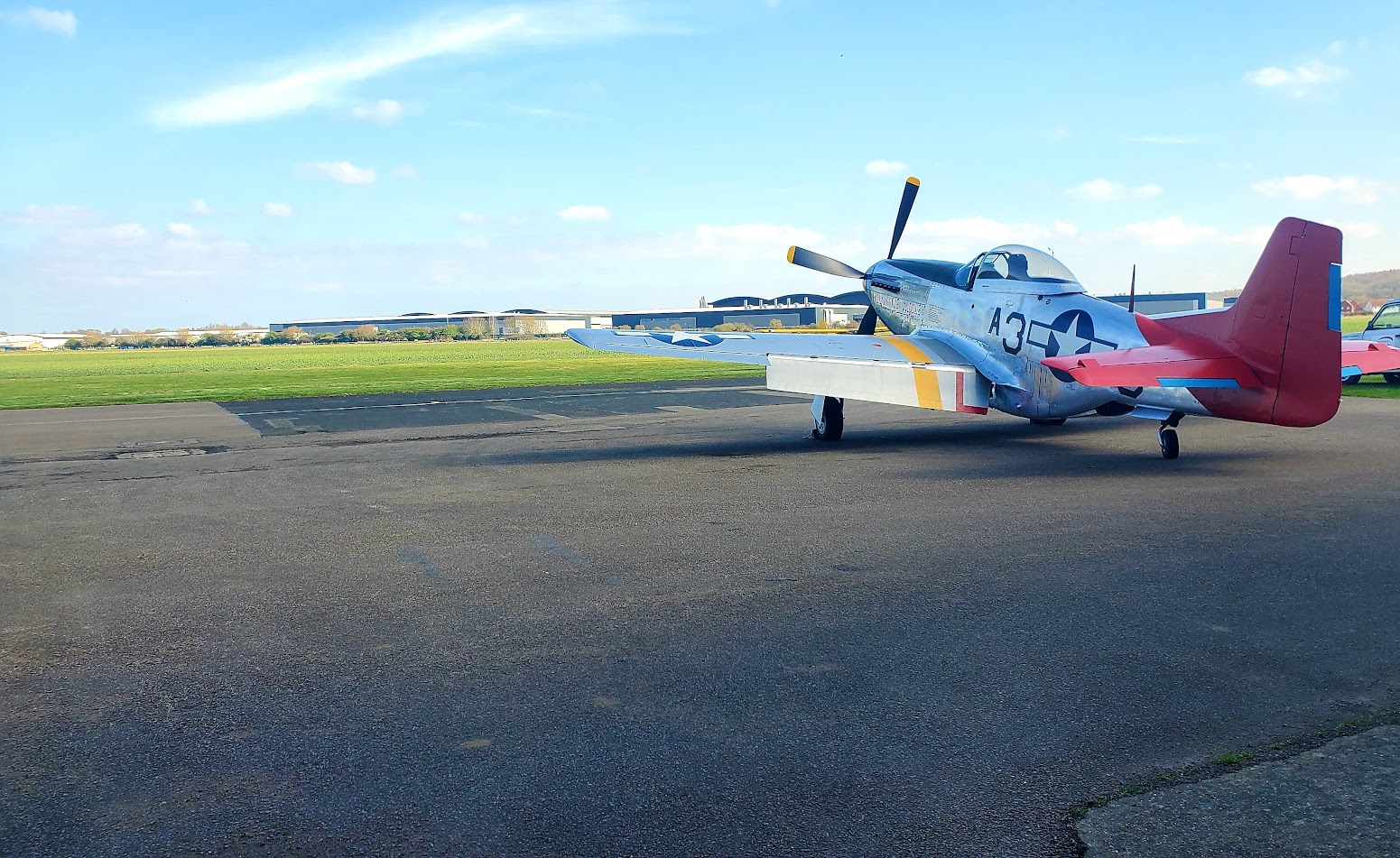
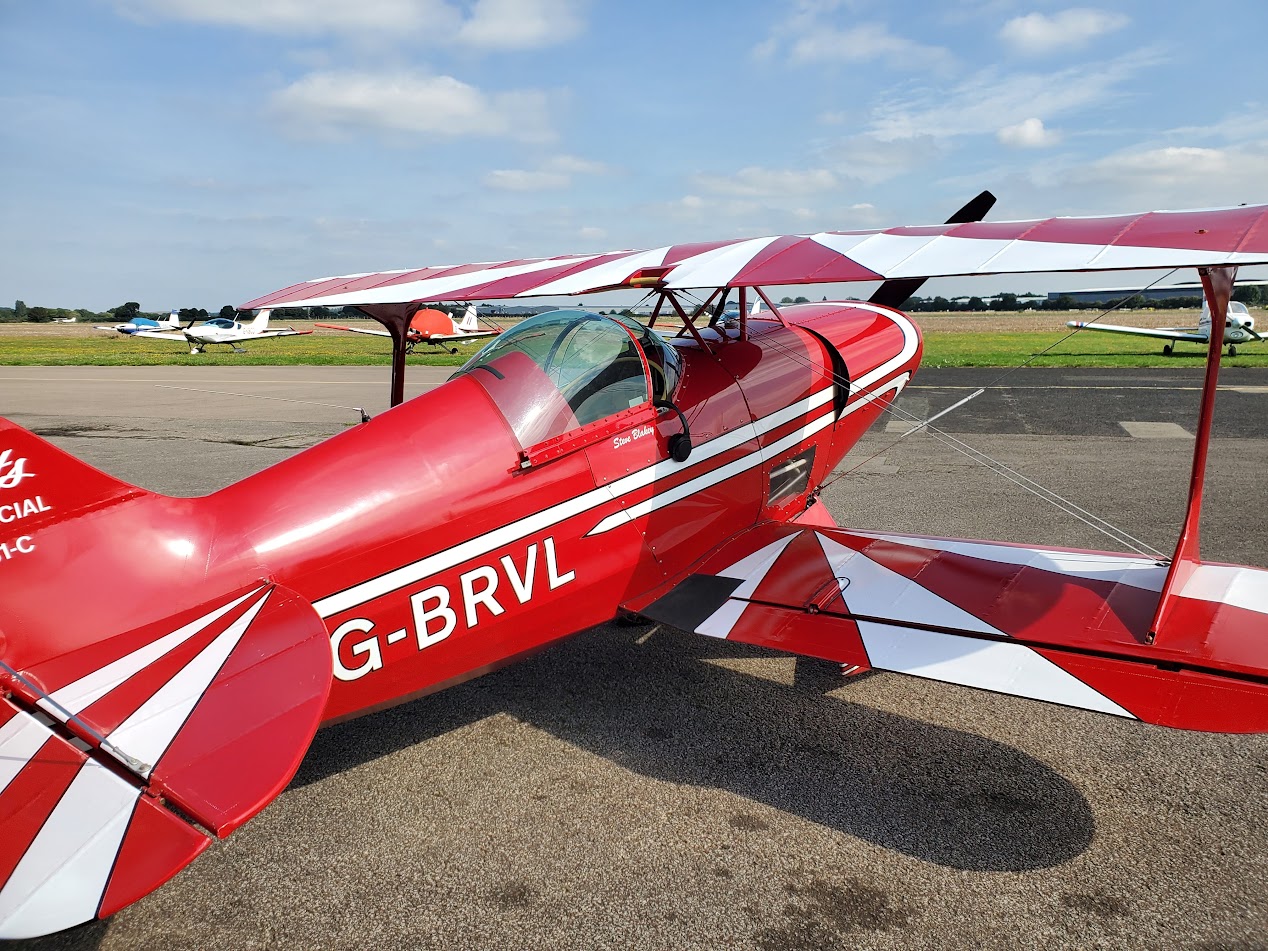
Today, Wellesbourne Airfield is a vibrant center for general aviation, housing around 70 based aircraft and supporting various flying clubs and maintenance facilities. Its rich history continues to attract aviation enthusiasts and visitors from around the world.